Mağazamıza Hoş Geldiniz - 0532 492 25 13

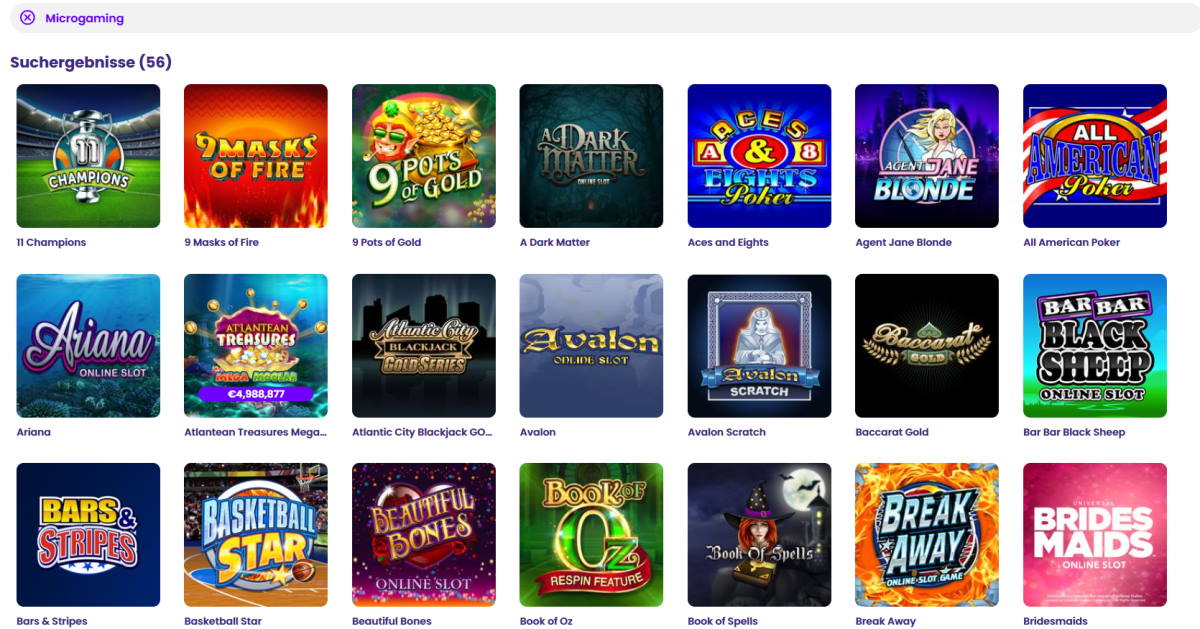
Across the UK’s wellness scene, an surprising connection is developing https://immortal-romance.eu/. It connects the digital appeal of online slots with the ancient discipline of acupuncture. Let’s take Immortal Romance, a extremely popular gothic-themed slot game, as our case. Many players attracted into its immersive world experience higher stress levels and disturbed sleep. These are classic symptoms of spending too much time glued to a screen. It seems the very people who immerse themselves in these digital worlds are now turning to holistic therapies like acupuncture to address the consequences. This pursuit for balance is driving a real movement. Traditional Chinese medicine is no longer viewed as a fringe alternative. For many, it’s a effective, go-to solution for the physical and mental strain of digital life, establishing its own unique space within the UK’s health and leisure markets.
Understanding the Immortal Romance Appeal and Player Demographics
We need to grasp what makes Immortal Romance so captivating. Created by Microgaming, this game is more than just a slot. It’s a story-driven adventure built around a gothic romance plot, including vampires, hidden chambers, and character-based bonus rounds. It continues to thrive in the UK because of its high volatility, the chance of big wins, and its entertaining “Chamber of Spins” feature. The player base is diverse, but it often attracts people who enjoy long gameplay sessions. They’re there for the story as much as the money. These prolonged periods of focused, sedentary play, notably late at night, lead to specific physical problems. Think repetitive strain in the hands and wrists, tightness in the neck and shoulders, and strained eyes. On a psychological level, the constant cycles of anticipation and reward can amplify anxiety and disrupt sleep schedules. This produces a modern stress profile that appears in both the mind and the body. That unease is what sends people looking for complementary relief.
Case Profiles: The Contemporary Player Pursuing Harmony
We’re noticing more people who match this dual profile. Take a professional in their mid-thirties who relies on long Immortal Romance sessions to unwind at the weekend. They might visit an acupuncturist reporting tension headaches and insomnia, without even connecting it to their hobby. Another typical case is a younger player with stiffness in their wrist and forearm. The acupuncturist’s comprehensive initial consultation usually reveals these digital habits to light, permitting for a focused treatment plan. These individuals aren’t necessarily compulsive. They’re aficionados feeling the physical price of their interest. They seek acupuncture not to quit their hobby, but to keep it more sustainable. This is a nuanced kind of self-care. People are actively managing their leisure and wellness routines together, mirroring a wider cultural shift among digitally-savvy adults in the UK towards integrated lifestyle management.
The Rise of CAM in the UK
In the past two decades, the practice of Complementary and Alternative Medicine in the UK has risen steadily. Practices like acupuncture, osteopathy, and meditation were once met with doubt. Now they’re mainstream. They’re often used alongside standard NHS treatments or paid for privately. This transformation stems from a more engaged, whole-body approach to health among British people. There’s a wish for treatments with fewer drug side effects, and some methods are acquiring scientific validation. For example, the National Institute for Health and Care Excellence (NICE) suggests acupuncture for chronic pain issues like migraines and lower back pain. This cultural shift has laid the foundation. Now, people from all backgrounds, including those immersed in digital hobbies, feel comfortable exploring these options. The CAM framework offers a valid, straightforward way to tackle the draining symptoms of modern living, even if they aren’t severe.
Accessibility and Pricing: Navigating Care in the UK
Accessing acupuncture in the UK is straightforward, but the cost varies. Private treatment is the primary path. Sessions usually cost from £50 to £80. Numerous practitioners offer packages that lower the cost per visit. The NHS does offer some acupuncture, mainly for chronic pain and migraines. But referrals can be slow and the variety of conditions treated is limited. For the lifestyle issues we’re addressing, private practice is often the superior choice. The crucial step is picking a practitioner registered with the BAcC or a similar professional body. This guarantees safety and quality. For the typical Immortal Romance fan, incorporating acupuncture might be seen as a regular maintenance cost, like a gym membership or massage. People often consider the investment worthwhile because it visibly improves their day-to-day life and assists stop more serious chronic problems from developing later on.
Connecting Digital Fatigue to Integrated Solutions
The tangible effect of long gaming or screen sessions is highly specific. It often appears as “tech neck”, which is stress on the cervical spine. Tension headaches, bad posture, and repetitive strain injuries like tendonitis are also frequent. Mentally, it can amplify anxiety, irritability, and poor sleep. Blue light exposure and cognitive overload are usually to blame. Acupuncture addresses these problems. Points on the neck, shoulders, and back help ease tight muscles and improve blood flow to the area, relieving physical aches. On a deeper level, acupuncture is renowned for calming the nervous system. It helps tone down the ‘fight-or-flight’ response that games like Immortal Romance can keep persistently buzzing with their suspense. The treatment encourages relaxation and better sleep. This tackles the core of much digital fatigue, offering a tangible reset that works against the effect of immersive, sedentary downtime.
Advantages of Acupuncture for Screen-Related Ailments
Patients managing screen and gaming issues report a number of benefits. The first is substantial relief from muscle and joint pain. Stimulating local tender spots and distant points along related meridians can alleviate inflammation and muscle spasm in the neck, shoulders, and wrists. Next, the treatment operates very well for controlling stress and anxiety. By adjusting the nervous system, acupuncture can promote a state of deep calm. This reduces cortisol, enhances mood, and clears mental fog from long screen sessions. Third, it improves sleep quality. It does this by addressing the underlying physical tension and assisting to reset body clocks thrown off by blue light. Patients often note a beneficial side effect: they become more aware and aware of their bodies. This makes them more mindful of their posture and how long they spend at a screen, generating a positive cycle that fosters healthier digital habits.
Integrating Acupuncture with Other Lifestyle Adjustments
:max_bytes(150000):strip_icc()/RWLV-Casino_HR-118295f8adc24932a4891880368ff214.jpeg)
Acupuncture gives the best outcomes when it’s part of a broader approach. Practitioners typically suggest pairing it with practical ergonomic and behavioural adjustments. That means setting strict time boundaries for gaming, using ergonomic chairs and keyboards, observing the 20-20-20 rule for eye strain, and adding regular stretching or yoga. Drinking enough water and eating well are important too. Acupuncture can increase your motivation and body consciousness. That makes it easier to adhere to these new lifestyle practices. The treatment functions as a catalyst. It disrupts the cycle of pain and tightness, opening a opportunity where you can build positive new habits. This combined strategy makes sure the benefits of acupuncture persist. It enables people appreciate their digital downtime without allowing it take over or damage their physical health.
Understanding Acupuncture: Principles and Practice in a British Setting
Acupuncture is a key part of Traditional Chinese Medicine. It is based on the concept that health hinges on the free circulation of Qi, or life force, through pathways in the body called meridians. Practitioners insert very delicate, sterile needles into specific points to remove obstructions and balance this movement, with the goal of bringing the body back into harmony. In the UK, the field is tightly controlled. Specialists should be listed with bodies like the British Acupuncture Council. The BAcC imposes strict rules on hygiene, safety, and training. From a modern science perspective, acupuncture appears to function by affecting neural pathways, increasing circulation, and activating the body’s natural pain management systems, like endorphin release. A typical appointment at a UK clinic starts with a thorough discussion about your daily habits. These days, that conversation often covers questions about digital device usage and work posture. The treatment itself is gentle and often results in deep tranquillity. It’s this controlled, evidence-informed strategy that has shifted acupuncture’s reputation from an alternative practice to a reliable way for dealing with anxiety, pain, and fatigue.
FAQ
Is acupuncture actually effective for pain caused by gaming or computer use?
Absolutely, it is. Solid evidence and clinical practice endorse its use. Organisations like NICE advise acupuncture for chronic pain types frequently seen with prolonged screen use, such as migraines and back pain. The treatment stimulates nerves, releases the body’s natural painkillers, and relieves muscle tension. This provides direct relief for “tech neck,” stiff shoulders, and repetitive strain injuries linked to gaming.
How many acupuncture sessions are required to feel a difference?
Practitioners typically advise commencing with a course of 4 to 6 weekly sessions. This lets them see how you respond and allows the benefits to build up. For ongoing management of issues connected with regular activities like gaming, monthly or every-other-month sessions are typical. You could feel relaxed right away, but lasting changes for pain and stress typically develop over a few treatments.
Does acupuncture paid for by the NHS or private health insurance?
Access on the NHS is very limited. It’s usually only for specific chronic pain conditions and needs a GP referral. On the other hand, many private health insurance policies in the UK now include acupuncture in their complementary therapy coverage. Check your policy details. Most patients pay privately, with costs typically sitting between £50 and £80 per session.
What should I look for when choosing an acupuncturist in the United Kingdom?
Make sure your practitioner is registered with a professional body like the British Acupuncture Council. BAcC registration confirms they have met high standards for training, safety, and hygiene. They will use single-use sterile needles and carry full insurance. A good acupuncturist will always conduct a thorough consultation about your lifestyle, including your screen habits, before starting any treatment.
Is acupuncture beneficial with the stress or sleep issues I suffer from late-night gaming?
It absolutely can. Acupuncture is well known for calming the nervous system. It assists with lowering stress hormones, alleviate anxiety, and encourage deeper, more restorative sleep. This is particularly helpful for countering the mental overstimulation and the interference to your natural sleep-wake cycle that evening gaming often triggers.
Is there pain from the needles, and are there any side effects?
The needles are very fine, so discomfort is minimal. Most people experience just a tiny prick or a dull, heavy sensation. Serious side effects are extremely uncommon when you see a registered practitioner. You may experience minor, short-lived effects like slight bruising, dizziness, or tiredness. Most consider the treatment deeply relaxing, and it’s not uncommon for people to doze off during their session.